Get Tree Curbing Installation
Tree curbing installation services help property owners prevent tree damage, control growth, and define landscape borders by connecting with local contractors experienced in these projects.
Tree curbing installation is a practical improvement for property owners looking to enhance their landscape’s safety, appearance, and functionality. Properly installed tree borders help define yard spaces, prevent damage to lawns and walkways, and maintain a tidy, organized look around trees and shrubs. Whether planning a new landscaping project or seeking to upgrade existing features, exploring local contractors who specialize in tree curbing can provide valuable options tailored to specific property needs.
By comparing services offered by local contractors, property owners can find solutions that align with their vision and property requirements. It’s helpful to review different providers’ expertise, experience, and offerings to ensure the right fit for the project. Continuing to explore options can lead to informed decisions that support the long-term value and aesthetics of a property.
- Tree Curbing Installation - when property owners want to define landscape boundaries and prevent tree encroachment.
- Tree Curbing Installation - for homeowners seeking to enhance curb appeal and create a polished yard appearance.
- Tree Curbing Installation - when professionals are needed to protect trees during construction or landscaping projects.
- Tree Curbing Installation - for those looking to control root spread and reduce damage to surrounding structures.
- Tree Curbing Installation - when local contractors are called upon to maintain safety around mature trees and prevent trip hazards.
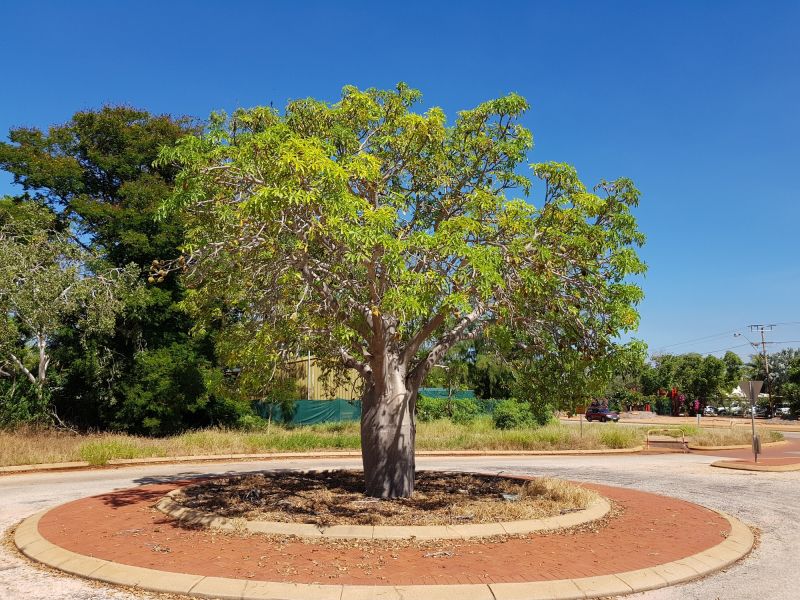
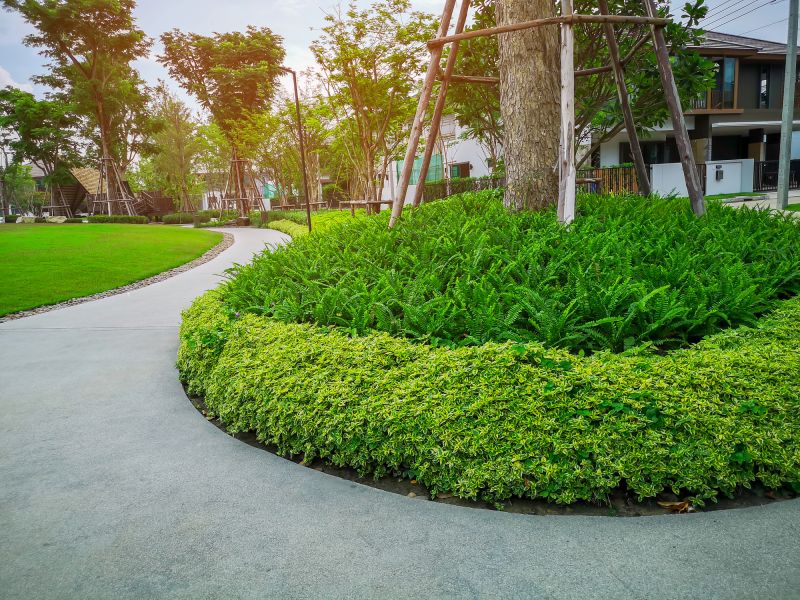
Tree curbings are installations that create a defined border around trees in residential or commercial properties. This service involves installing a sturdy, often concrete or stone, barrier at the base of a tree to protect its root zone and prevent damage from lawn equipment, foot traffic, or vehicles. Proper curb installation helps maintain a clean, organized appearance while ensuring the tree’s roots are shielded from accidental harm. Local contractors experienced in tree curbings can tailor the design and materials to match the property's landscape and aesthetic preferences, providing a durable solution that lasts for years.
One of the primary issues that tree curbing addresses is root damage caused by lawn maintenance tools or vehicles. Without a barrier, roots can be accidentally cut or compacted, which may lead to health problems for the tree, such as stunted growth or increased vulnerability to disease. Additionally, curb installations help contain mulch or soil around the tree base, reducing erosion and keeping the area neat. This service can also help prevent tripping hazards or damage to nearby pavement caused by root growth. Homeowners noticing uneven ground, exposed roots, or frequent damage around their trees might find curb installation to be a practical solution.
Tree curbings are commonly used on properties with landscaped yards, commercial parks, or community spaces that feature multiple trees. They are suitable for residential homes with decorative or shade trees, as well as for larger properties where trees are part of a landscape design. Properties that experience frequent foot traffic, lawn care activities, or vehicle access near trees can benefit from curb installations to protect the health of the trees and maintain a tidy appearance. Service providers can assess the specific needs of each property to recommend the appropriate materials and design that will complement the existing landscape.
Choosing to have tree curbings installed can help prevent common problems such as root encroachment into sidewalks, driveways, or underground utilities. It also provides a clear boundary that discourages accidental damage from lawn equipment or vehicles. For property owners looking to enhance the safety, appearance, and longevity of their trees, connecting with local contractors who specialize in curb installations can ensure the work is done properly. These professionals can evaluate the property, recommend suitable materials, and install durable borders that support healthy tree growth while maintaining the property's overall landscape appeal.
The overview below groups typical Tree Curbing Installation projects into broad ranges so you can see how smaller, mid-sized, and larger jobs often compare in your area.
In many markets, a large share of routine jobs stays in the lower and middle ranges, while only a smaller percentage of projects moves into the highest bands when the work is more complex or site conditions are harder than average.
Smaller Repairs - Most minor tree curbings, such as trimming or minor adjustments, typically cost between $250 and $600. These projects are common and usually fall into the lower to middle price ranges. Local contractors often handle these routine jobs efficiently within this budget.
Standard Curbing Installation - Installing new curbings around trees generally ranges from $600 to $1,500 for many residential projects. Many jobs in this category are straightforward and stay within this mid-tier range, while more complex installations can push higher.
Large or Complex Projects - Larger, more intricate curb installation or extensive tree protection systems can cost $1,500 to $3,000 or more. Such projects are less frequent and tend to involve additional materials or site preparation, increasing overall costs.
Full Replacement or Custom Designs - Complete removal and replacement of existing curbings or custom-designed solutions can range from $3,000 to over $5,000. These high-end jobs are less common and typically involve significant planning and craftsmanship by local service providers.
Actual totals will depend on details like access to the work area, the scope of the project, and the materials selected, so use these as general starting points rather than exact figures.
Landscape Edging - Local contractors skilled in landscape edging can apply techniques similar to tree curb installation to define garden beds and pathways with precision.
Sidewalk and Pathway Construction - Building durable walkways involves planning, leveling, and material handling skills that are applicable to tree curb projects.
Retaining Wall Installation - Installing retaining walls requires planning, excavation, and the use of specialized tools, paralleling the skills used in tree curbing services.
Garden Bed Construction - Creating well-defined garden beds involves planning and material placement skills similar to those used in tree curb installation.
Hardscaping Projects - Hardscaping elements like patios and outdoor features share planning and construction techniques with tree curb installation.
Soil Preparation and Grading - Proper soil prep and grading for landscaping and planting projects utilize skills closely related to installing tree curbs for proper drainage and landscape design.
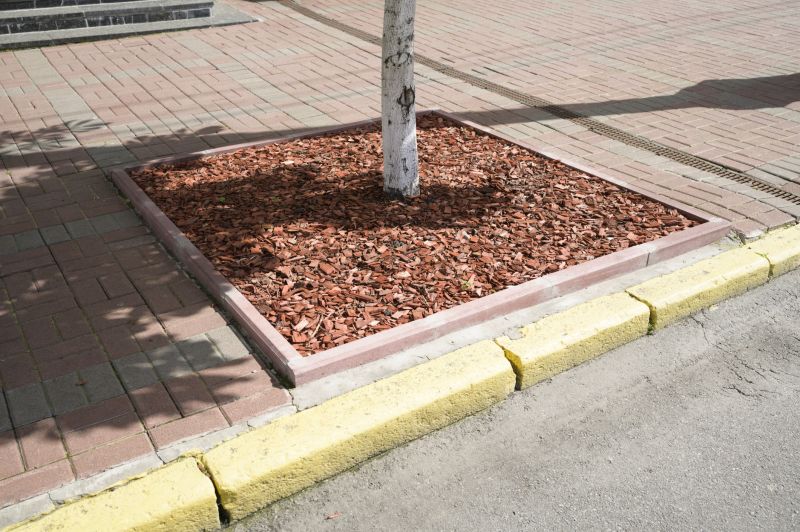
When evaluating potential service providers for tree curbing installation, it’s important to consider their experience with similar projects. Homeowners should inquire about how many comparable jobs the contractor has completed, as well as the types of trees and landscape conditions they have worked with. An experienced local contractor will likely have a better understanding of site-specific challenges and be able to offer insights into the most suitable materials and techniques for the job. This background can help ensure that the project is handled efficiently and meets the homeowner’s needs effectively.
Clear, written expectations are essential to a successful collaboration. Homeowners should seek detailed proposals or estimates that outline the scope of work, materials to be used, and any specific responsibilities or deliverables. Having these details in writing helps prevent misunderstandings and provides a reference point throughout the project. When comparing options, it’s beneficial to review how each contractor communicates their process and whether they provide comprehensive, understandable documentation that aligns with the homeowner’s goals.
Reputable references and effective communication are key indicators of a reliable local contractor. Homeowners are encouraged to ask for references from previous clients who had similar work done and to follow up on their experiences. Good communication ensures that questions are answered promptly and that the project progresses smoothly. Service providers who are transparent, responsive, and willing to share references can offer greater confidence in their professionalism and ability to deliver quality results, making it easier to select a trusted partner for the tree curbing installation.
Property owners use Tree Curbing Installation services for practical projects around their homes and businesses. This guide focuses on everyday jobs and straightforward project options.
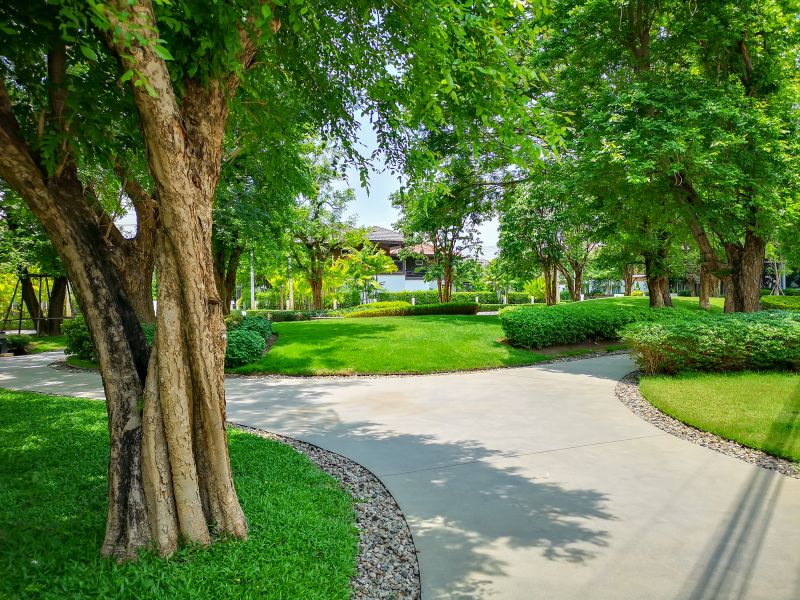
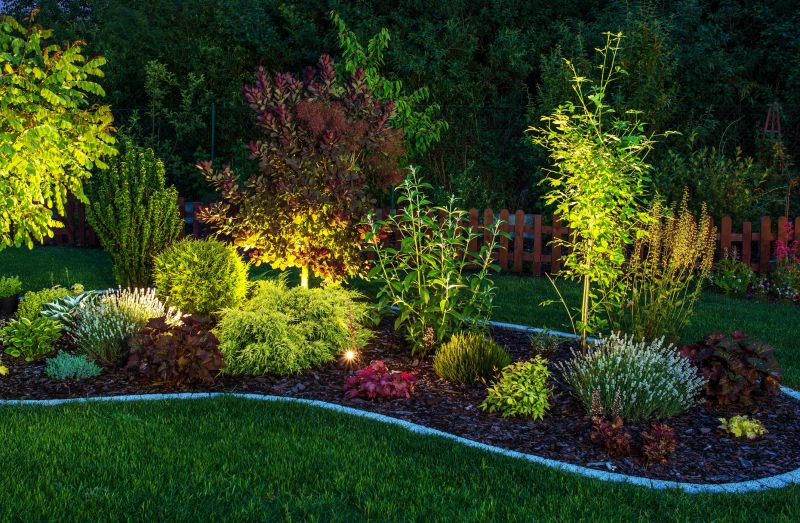
Tree curbing installation is a common project for property owners looking to enhance their landscape’s appearance or improve safety around their property. Local contractors are often called upon to install or replace tree curbing around mature trees, flower beds, or landscaped areas to create a clean, defined border. This work can help prevent soil erosion, keep mulch in place, and provide a polished look to gardens and walkways, making it a practical choice for maintaining curb appeal.
In addition to aesthetic improvements, property owners may seek tree curbing services to address issues like uneven terrain or to protect tree roots from damage caused by lawn equipment. Local service providers can assist with installing durable curbing that helps define planting areas, reduce maintenance, and support healthy growth. Connecting with experienced contractors ensures the job is done efficiently and effectively, helping to maintain the safety and beauty of outdoor spaces.
What is tree curbing installation? Tree curbing installation involves setting up a barrier or edging around a tree to protect its root zone and define the landscape area.
Why should I consider tree curbing for my property? Tree curbing can help prevent damage to tree roots from lawn equipment, reduce soil erosion, and improve the overall appearance of the landscape.
How do local contractors install tree curbing? Professionals typically install tree curbing using durable materials like brick, stone, or concrete to create a clean, defined edge around the tree.
Can tree curbing be customized to suit different landscape styles? Yes, local service providers often offer various materials and designs to match different aesthetic preferences and landscape needs.
What are common materials used for tree curbing? Common materials include brick, stone, concrete, and rubber, each offering different durability and visual appeal options.
Tree Curbing for Safety - Installing tree curbing can help prevent tree roots from damaging sidewalks, driveways, or lawns, reducing potential hazards around the property.
Landscape Enhancement - Proper curbing around trees can define garden beds and create a clean, finished look that complements existing landscaping.
Soil and Mulch Containment - Curbing helps contain soil, mulch, or decorative stones around trees, keeping the area tidy and reducing erosion.
Protection for Trees - Installing a barrier with tree curbing can shield tree roots from mechanical damage caused by lawn equipment or foot traffic.
If you are thinking about Tree Curbing Installation for a property, this guide is meant to help you understand the work, the typical project types, and how different options might fit your plans.
When you are ready, you can use the quote form on this page to share a few details about your project. From there, local pros can review the basics and respond with options that match what you have in mind.